
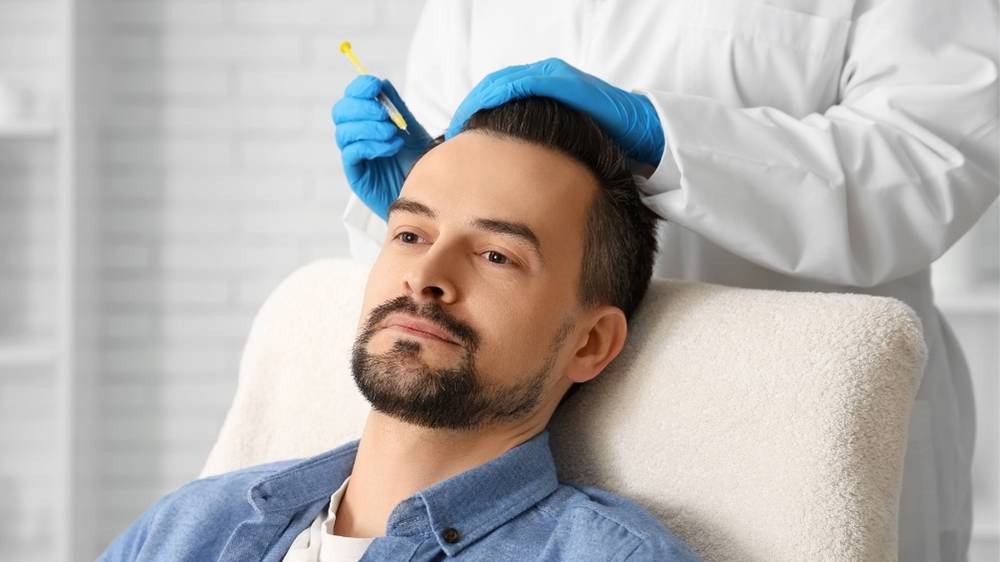
For a long time, the conversation around hair restoration felt like it was dominated by medical tourism. You couldn’t scroll through social media without seeing adverts for clinics in far-flung locations, promising a full head of hair for a fraction of the price. However, the tide has shifted significantly in recent years. More and more people are realising that opting for a hair transplant scotland is often the smarter, safer, and more effective choice. It is no longer just about convenience; it is about the quality of care and the peace of mind that comes with being treated close to home.
Hair loss can be a deeply personal and sometimes distressing experience. Whether it is a receding hairline that makes you feel older than you are or thinning at the crown that you try to hide with clever styling, the impact on self-confidence is real. When you decide to do something about it, you want to know you are in the best possible hands. Scotland has become a genuine hub for hair restoration excellence, offering world-class surgical techniques right on our doorstep.
The importance of local regulation and safety
One of the biggest reasons people are choosing to stay local is the rigorous regulation found within the UK. In Scotland, private clinics offering surgical procedures must be registered with Healthcare Improvement Scotland (HIS). This isn’t just a bit of paperwork; it is a comprehensive framework that ensures clinics meet strict standards for safety, cleanliness, and patient care. When you choose a clinic in Glasgow or Edinburgh, you know exactly what level of oversight is in place.
Staying in the country also eliminates the risks associated with long-haul travel immediately after surgery. A hair transplant is a surgical procedure, and like any surgery, it requires a period of rest. Dealing with airports, cabin pressure, and the stress of international travel while your scalp is healing is far from ideal. By staying in Scotland, you can be back in your own bed within hours of the procedure, which is a massive advantage for the healing process.
What are the most common techniques used
If you have started your research, you have likely come across several acronyms. The most common and modern method used today is Follicular Unit Extraction (FUE). This technique has revolutionised the industry because it is far less invasive than the older methods. Instead of removing a large strip of skin from the back of the head, the surgeon harvests individual hair follicles one by one. This results in:
- Minimal scarring that is virtually invisible even with short hair
- A much faster recovery time compared to traditional methods
- A more natural-looking distribution of hair
- Less post-operative discomfort
Another method is Follicular Unit Transplantation (FUT), which involves removing a strip of tissue. While less common now, it can still be appropriate for specific cases where a large number of grafts are needed in a single session. A reputable surgeon will discuss which method is best for your specific hair type and goals during a consultation.
What a typical day at a Scottish clinic looks like
Many people feel nervous about the actual day of the procedure, but it is generally a very straightforward and relaxed experience. Most hair transplants are performed under local anaesthetic, meaning you are awake throughout but won’t feel any pain in the treatment area. You can usually spend the day watching films, listening to music, or simply chatting with the surgical team.
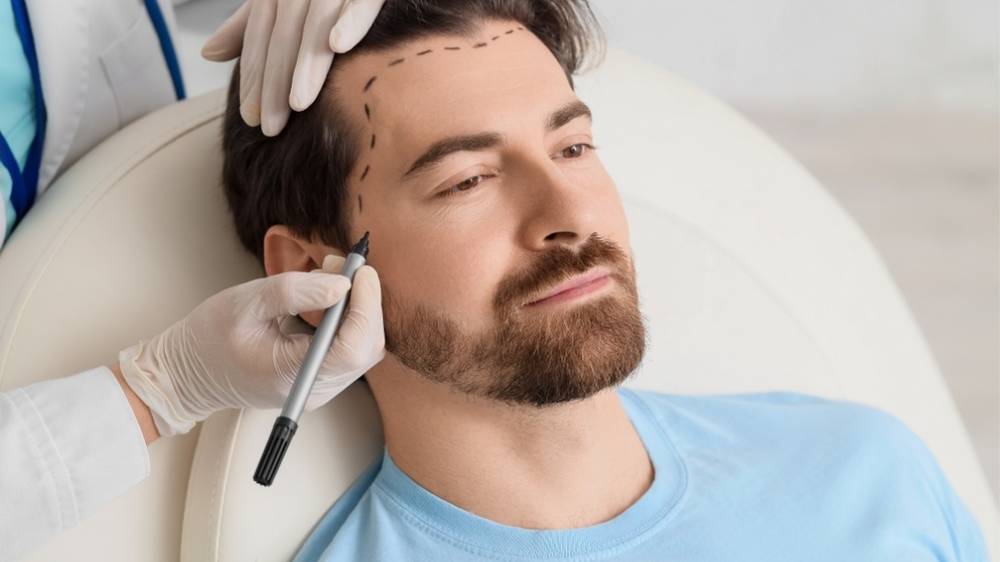
The process begins with the design phase, where the surgeon marks out the new hairline. This is perhaps the most critical part, as it requires an artistic eye to ensure the result looks natural for your face shape and age. Once the design is agreed upon, the extraction phase begins. After a short break for lunch, the surgeon then meticulously implants the follicles into the thinning areas. The precision required is immense, as each hair must be placed at the correct angle and depth to mimic natural growth patterns.
Questions you should ask during your consultation
Before committing to any procedure, the consultation is your chance to vet the clinic and the surgeon. It should never feel like a high-pressure sales pitch. Instead, it should be an educational session where your expectations are managed honestly. Here are some key questions to consider:
- Who will actually be performing the surgery, the doctor or a technician?
- How many procedures has the surgeon performed personally?
- Can I see before and after photos of patients with a similar hair loss pattern to mine?
- What is the long-term plan if my native hair continues to thin?
- What kind of aftercare support is included in the price?
The reality of the recovery and results
It is important to have realistic expectations about the timeline. You won’t walk out of the clinic with a full head of hair. In fact, for the first few days, your scalp will look slightly red and there will be tiny scabs where the grafts were placed. This is perfectly normal. Most people take about a week off work to allow the initial healing to take place and for the redness to subside.
One of the stranger parts of the process is the ‘shedding’ phase. Around two to four weeks after the procedure, the newly transplanted hairs will actually fall out. This can be alarming if you aren’t prepared for it, but it is a natural part of the hair cycle. The follicles remain healthy and dormant under the skin, and new, permanent hair will start to grow through in about three to four months. You will usually see the full results around the twelve to eighteen-month mark.
Why the aftercare matters so much
The success of a hair transplant isn’t just down to what happens in the operating room; it is also about how you look after the grafts in the following weeks. This is another area where choosing a local clinic proves invaluable. If you have a question about a particular scab or a bit of swelling, you can simply call the clinic or even pop in for a quick check-up. Having that direct line to your surgeon provides a level of comfort that you simply cannot get with a clinic thousands of miles away.
A good aftercare programme will include detailed instructions on how to wash your hair, what medications to take to prevent infection or swelling, and when you can return to the gym. Following these instructions to the letter is the best way to ensure that the maximum number of grafts take hold and grow successfully. Your surgeon will likely want to see you for follow-up appointments at various intervals over the first year to monitor your progress and ensure everything is on track.
Investing in yourself for the long term
While the cost is always a factor, it is helpful to view a hair transplant as a long-term investment in your self-esteem and appearance. When you break down the cost over the many years the results will last, it often becomes much more justifiable than temporary fixes like hairpieces or expensive thickening fibres. In Scotland, you are paying for expertise, safety, and the assurance that you are being treated by a professional who is accountable to UK medical standards. The confidence that comes from no longer worrying about your hair is something that many patients describe as life-changing.

Peter is an environmental researcher specialising in climate policy, carbon reduction strategies, and sustainable development. He writes about innovative solutions for mitigating global warming.